
Stories and Objects
Loading the exhibition
Stories and Objects
Journeys, Migration and Making Home
Migration is more than a journey from one place to another.
Migration is more than a journey from one place to another. It can mean building a new life, adapting to unfamiliar surroundings and finding a sense of home, while maintaining connections to places, people and memories left behind. The objects in this section offer glimpses into journeys from South Asia and East Africa to Britain, shaped by education and professional opportunities, as well as political upheaval, displacement and changing circumstances. Together, they reveal how individuals and families navigated borders, opportunities and challenges, creating new lives while maintaining connections to the places they left behind. To hear more about the journeys and experiences of the people whose stories feature in this exhibition, visit the Contributors pages, where you can listen to excerpts from their oral history interviews.
Objects

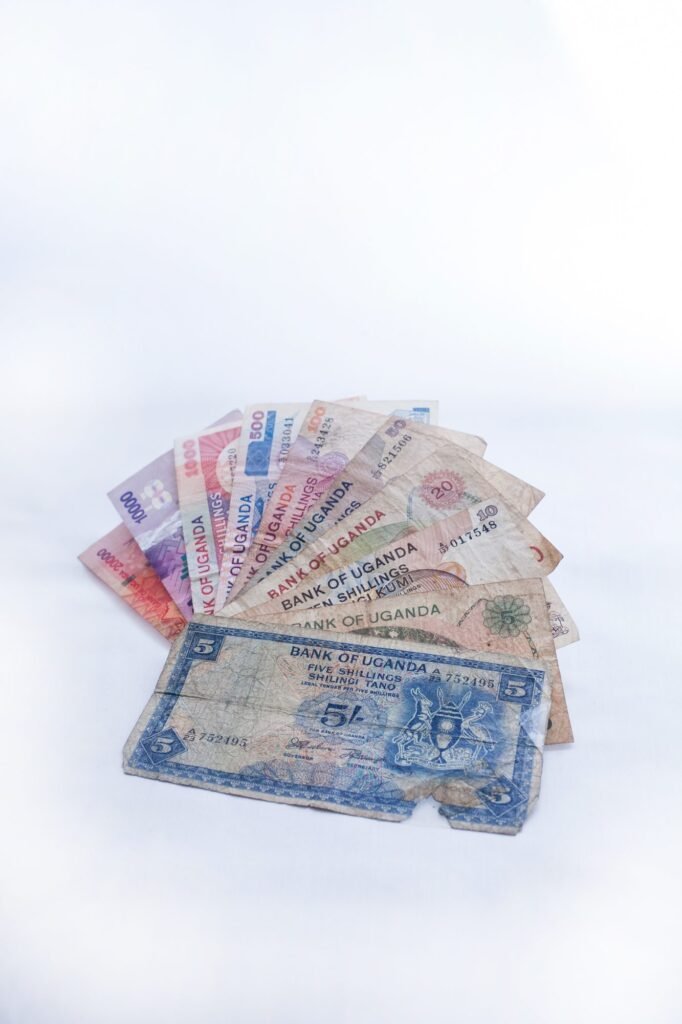
Ugandan Bank Notes From the collections of Ratilal Joshi and Rizwan Rahemtulla Passport & Migration Documents From the collections of Ratilal Joshi, Rizwan Rahemtulla and Shahida Rahman Education, Qualifications and New Beginnings From the collections of Deepshikha Palit, Harsh Nimaiyar, Krishna Zivraj-Nair and Ratilal Joshi


In their words
Most of my conscious life has been in the UK. I’m lucky to know both the culture of Pakistan, where I grew up in Punjab, and the UK. When I go back, and when my children and grandchildren go back, it’s almost like going from one home to another. But realistically, the UK has been the bigger home for me. I spent 14 years in Pakistan, and now, at 73, I’ve spent almost 60 years here.
The main reason we came to Cambridge was because my wife was admitted to study here. Migrating is never an easy decision. When you already have family, friends and know the system, it’s hard to leave. But sometimes you have to make difficult decisions, accept compromises and make sacrifices in order to achieve what you want in life.
Community, Belonging and Building Connections
What does it mean to belong?
What does it mean to belong? Communities are built through relationships, shared experiences and the connections we make with others. For South Asian individuals and families settling in Britain and Cambridgeshire, these connections have taken many forms: through family and friendship, workplaces and businesses, cultural and religious organisations, and celebrations and everyday life. At the same time, experiences of exclusion, prejudice and other barriers have shaped how people have found their place. The objects in this section explore how individuals and families built networks of support, contributed to local communities and created spaces where they could feel connected and at home. The Contributors pages offer an opportunity to hear these experiences in their own words, through excerpts from their oral history interviews.
Objects
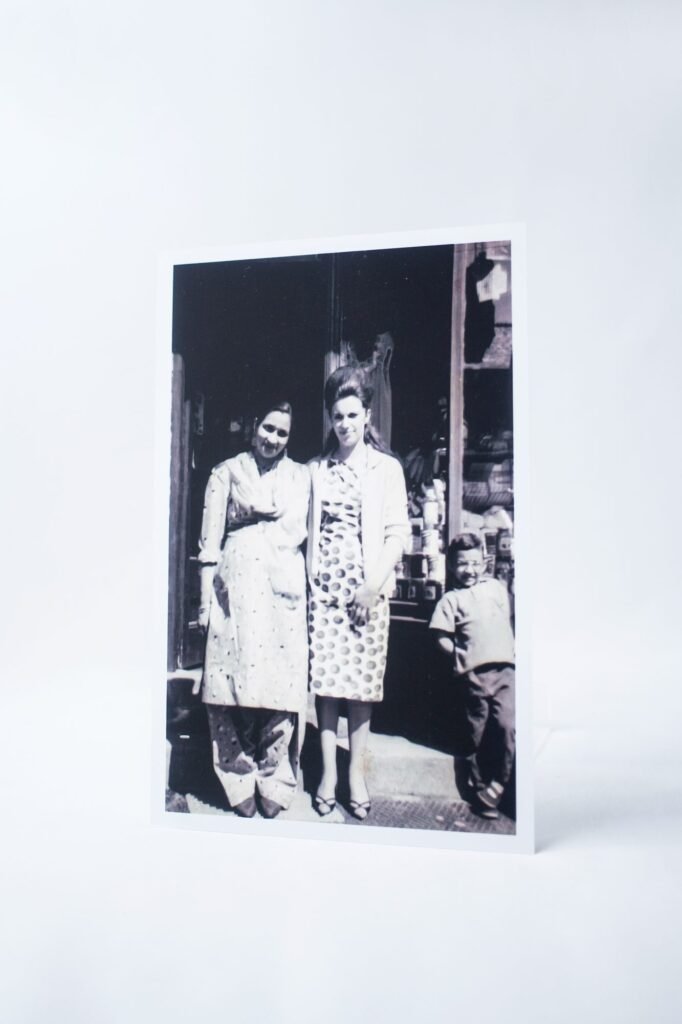
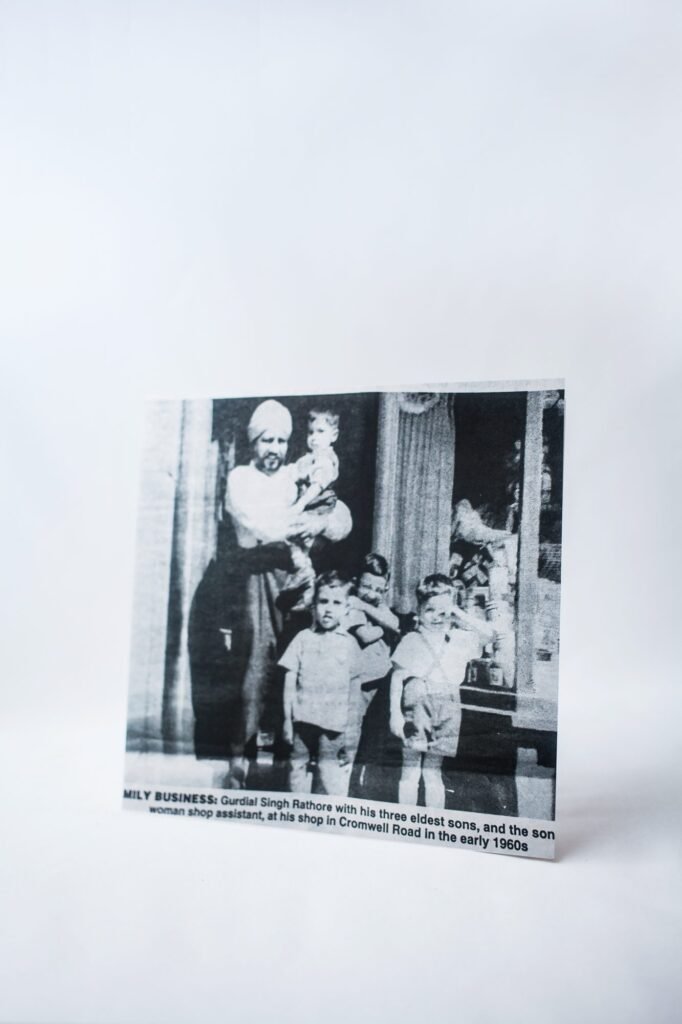
Family Picnic Families often created a sense of home through everyday moments like sharing food, spending time together and enjoying local parks. This photograph captures Sarita’s mother and friends during a picnic in Kelvingrove Park, Glasgow, where Sarita grew up before coming to Cambridgeshire. From the collection of Sarita Sood Children Playing Pictured in her teddy bear outfit with her sibling, cousin and a neighbourhood child, Sarita Sood stands outside 28 Arlington Street, Glasgow, her first home in Britain. Moments like these helped foster belonging and connect a new generation to both local communities and family heritage. From the collection of Sarita Sood Singh Brothers Heavy Rock Disco Roadshow, newspaper article, 1982 During the 1980s, Deljit Singh and his brothers organised heavy rock discos across the region, bringing together bikers, rockers and music lovers. In the face of racism, music became a powerful way to build friendships, challenge stereotypes and create spaces where people connected across communities. From the collection of Deljit Singh Restaurant Menu This menu is a keepsake from a Chinese restaurant on Mill Road that Kobir Ahmed and his family purchased. They later transformed the business into what is now Prana Indian Restaurant. It reflects entrepreneurship, continuity, and the ways local businesses become places where communities meet, connect and feel at home. From the collection of Kobir Ahmed Shanti Singh outside Rathore Continental Store with Margaret, 1964 Standing outside an early South Asian-owned grocery shop in Peterborough, Shanti Singh is pictured with her employee and friend Margaret (surname unknown). By encouraging local people to visit the shop and challenging racist myths, Margaret’s friendship was invaluable. From the collection of Deljit Singh Gurdial Singh Rathore and family outside Rathore Continental Store, newspaper article, 1990 This newspaper article looks back at a 1964 photograph of Gurdial Singh Rathore, his sons and the son of a shop worker and friend Margaret. It celebrates a local story of entrepreneurship, friendship and the relationships that helped build a sense of belonging in Peterborough. From the collection of Deljit Singh Portrait of Abdul Karim, Cambridge, 1959 This studio portrait shows Abdul Karim, father of interviewee Shahida Rahman, two years after arriving in Cambridge from what is now Bangladesh. Taken during the early years of his life in Britain, it reflects a period of new beginnings. Today, his legacy continues through the Karim Foundation, established in his memory to support those in need and reduce inequality in local communities. The Ramsey and Muspratt Collection, Cambridgeshire Collection



In their words
We experienced racism a lot when we were growing up, but we learnt to deal with it. Back then, it was very much in your face—we had eggs and even bricks thrown at us. But over time, those same people became friends because we grew up together. Once they realised we were just ordinary people, we began to understand each other and became a community.
When we were fundraising for the Cambridge mosque, I decided I didn’t want to simply ask people for money. I wanted to do something. So I decided to climb Ben Nevis, the highest mountain in Scotland, England and Wales.
How can I know who I am today unless I understand where I’ve come from and who I am historically? History means a great deal to me because it helps me stay grounded in who I am and enables me to move into the future, becoming better day by day.
Culture, Identity and Passing on Traditions
Culture is not something that remains unchanged.
Culture is not something that remains unchanged. It is inherited, adapted, celebrated and reinterpreted across generations. The objects in this section explore how people maintain connections to their heritage while developing identities shaped by both the past and the present. Through music, dance, clothing, family traditions and treasured possessions, we see how cultural knowledge and memories are passed between generations. These stories also reveal moments of adaptation and change, as individuals navigate different cultural expectations and experiences, and make choices about what to preserve, change or pass on. The Contributors pages allow you to explore these experiences further through excerpts from the oral history interviews, hearing directly from the people whose stories are featured in the exhibition.
Objects
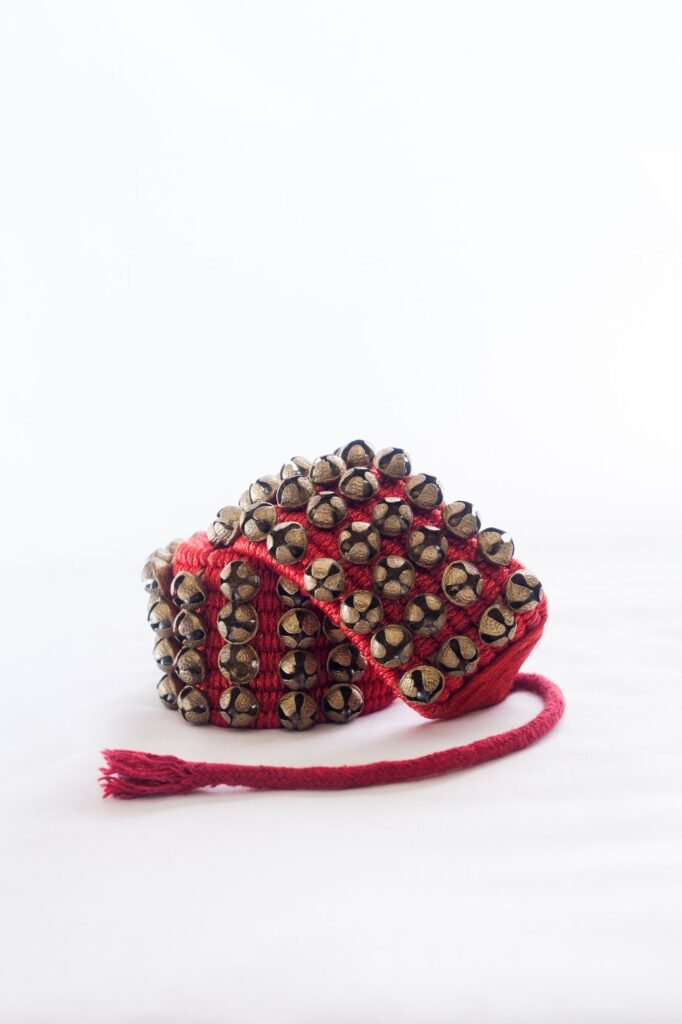
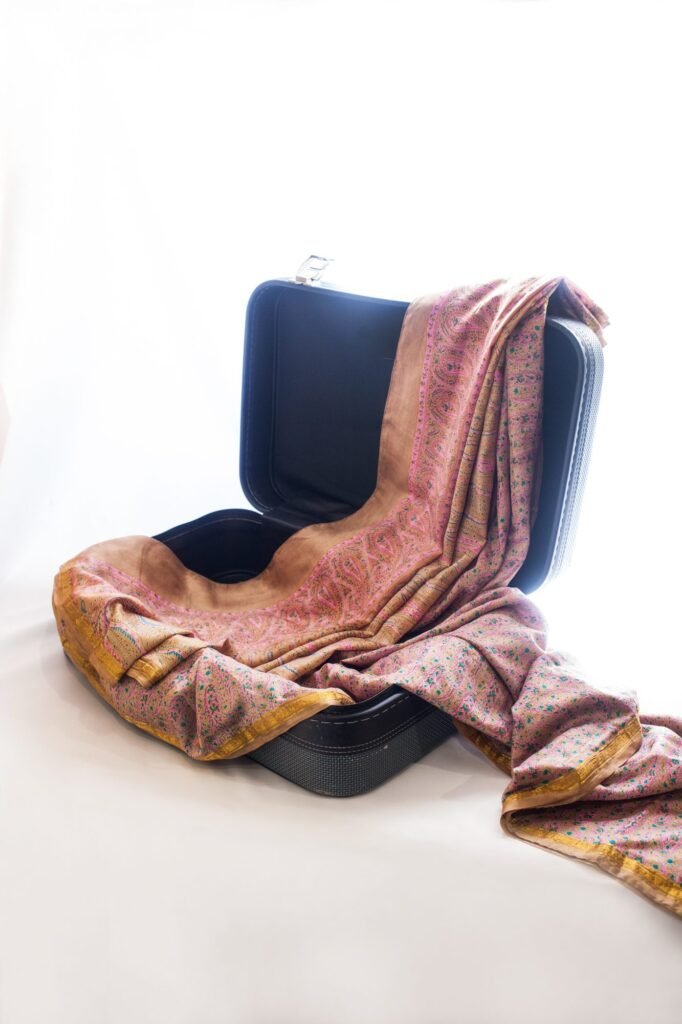
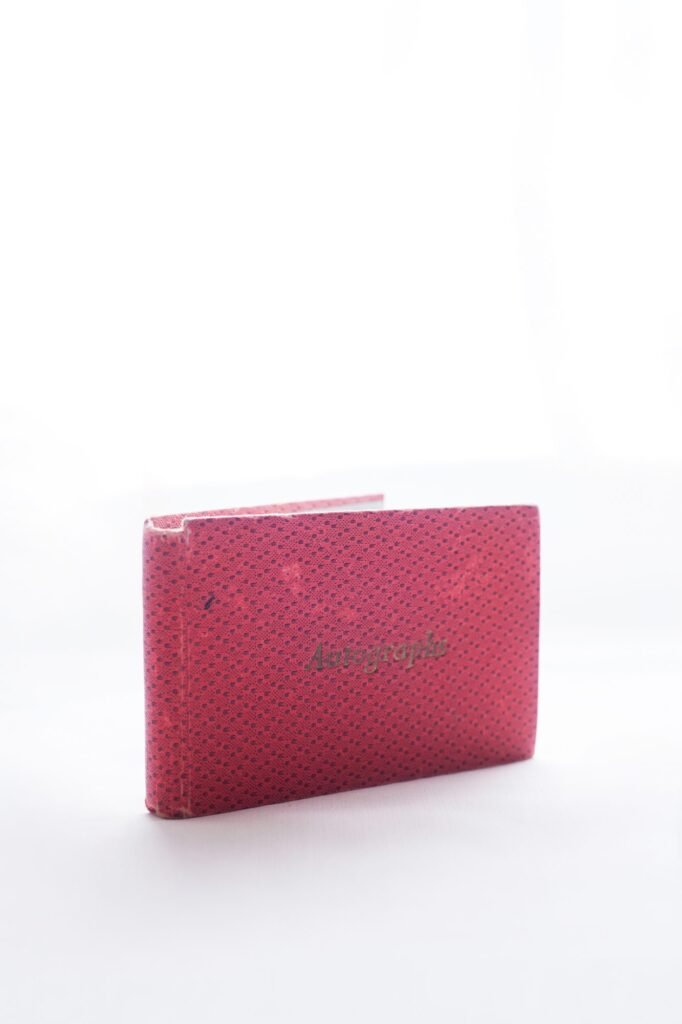
Salangai These Salangai (ankle bells) were gifted to interviewee Krishna Zivraj-Nair by her dance teacher, Smt Padma Murali, and blessed as part of her training in Indian classical dance. More than a performance accessory, they symbolise the passing of knowledge, tradition and cultural heritage from one generation to the next. From the collection of Krishna Zivraj-Nair Money box A small metal money box used in Sarita’s parents’ home to store coins and important notes. Kept for everyday use, it also held a sense of intrigue and familiarity. Such objects reflect the small, personal things through which family life, care and memory are quietly carried forward. From the collection of Sarita Sood Sari A soft, patterned sari passed down as a family heirloom and once worn by Sarita’s mother. Garments like this carry stories of family life, memory and celebration, reflecting how clothing becomes a symbol of South Asian identity and belonging across generations and changing homes. From the collection of Sarita Sood Autograph book with Indira Gandhi signature This family heirloom contains an autograph obtained during Indira Gandhi’s visit to British East Africa through interviewee Ratilal Joshi’s elder brother, an official photographer at the time. Preserved in a family autograph book, it reflects the connections between personal memory, public figures and South Asian and East African histories. From the collection of Ratilal Joshi Sanskruti Cambridge, Cambridge Corn Exchange booklet (6 November 2025) Founded by Krishna Zivraj-Nair, Sanskruti Cambridge brings people together through South Asian dance in theatres, schools and community settings. It fosters belonging, creativity and cultural exchange while passing on traditions through training and mentorship. From the collection of Krishna Zivraj-Nair Music vinyl records From film soundtracks to classical ragas, wedding songs and spoken philosophy, these recordings evoke the sounds of earlier homes and lived traditions. Played in new contexts, they connect past and present, showing how music carries memory, emotion and cultural identity across generations. From the collection of Ratilal Joshi



In their words
Our parents were friends, and we all lived within a few streets of one another. Every Tuesday, my mum and her friends would get together, and if we weren’t at school, we’d all be there. In the summer, they’d meet in Victoria Park or Kelvingrove Park with their knitting and picnics, while we children played together. We all grew up together and remained friends.
My parents’ generation worked incredibly hard for everything they had. My mother raised five of us, and after my father died while we were young, she carried on alone. They started from scratch, without the technology or conveniences we have today. I really appreciate their resilience and determination to build a better life for our family.